From an emotional point of view, liveability refers to how you feel. It refers to things like:
- How healthy and comfortable does people feel living there;
- Whether the space helps them to focus, rest, and go about their daily lives easily;
- How people interact with each other and build a sense of community;
- Whether the place still feels good to live in years down the line.
These intangible qualities are not immediately evident upon a project completion or when moving in. It will only be revealed through ongoing experience - some become noticeable early, while others emerge after an extended duration.
The distinction between design and the lived experience has practical implications.
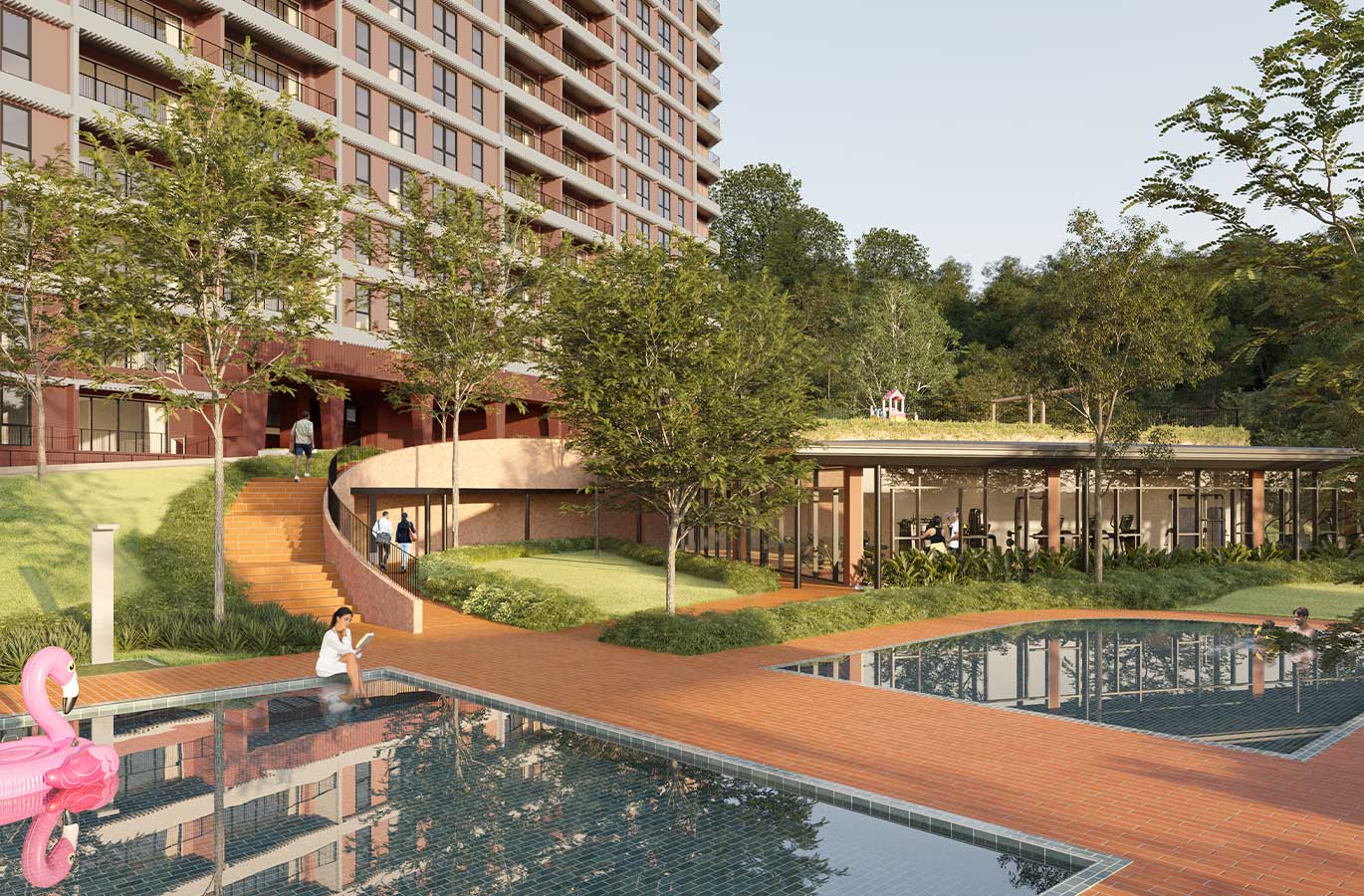
A home can be well designed; with efficient layouts yet undermined by poor furniture placement. A living space may offer good ventilation but still suffer from poor air quality. In the whole development, low-density planning may be achieved, yet the presence of many short-term rentals (especially from investment properties) can weaken a sense of privacy. Communal spaces and facilities may exist, but fail to foster meaningful interactions and a sense of community.
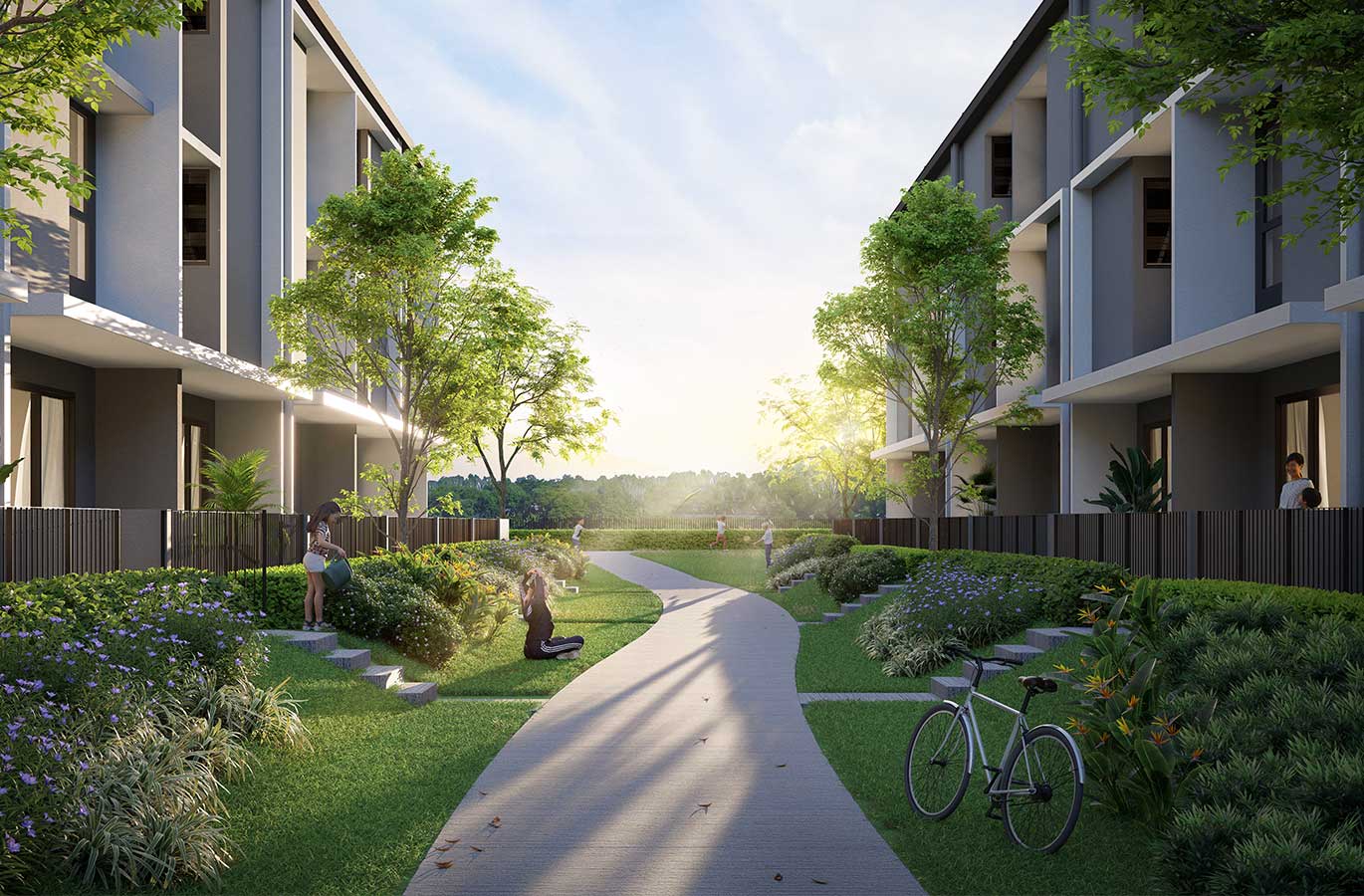
Even lush greenery - often seen as a hallmark of good design - can become a burden if it requires intensive upkeep, with constant maintenance needed to sustain the landscape and keep spaces clean from fallen leaves.
The gap highlights a critical point: design intent or vision does not always translate into lived quality.